
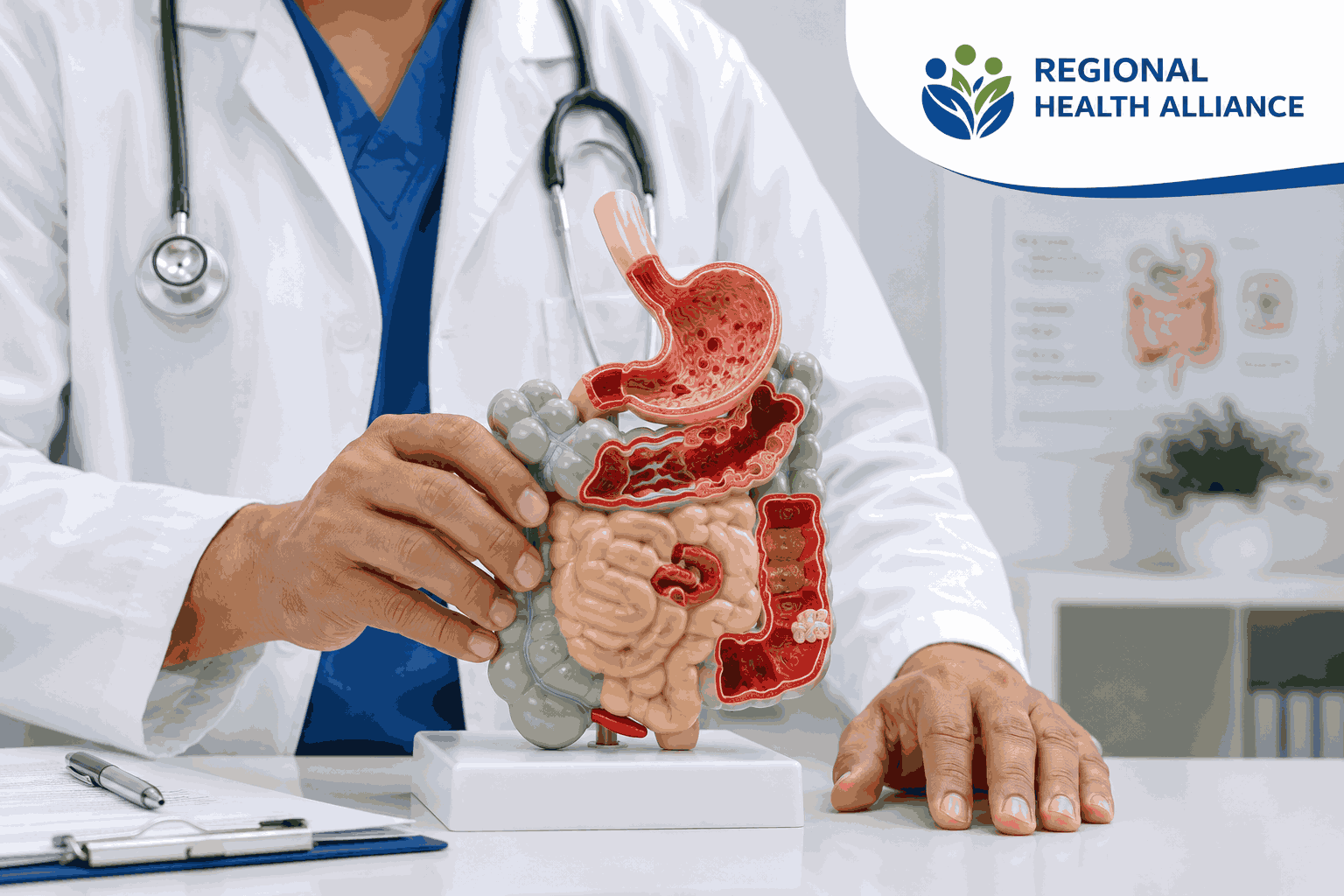
Fisila Meaning: Medical Confusion, Signs & Care Guide
When it comes to understanding medical terminology, confusion can often arise. One term that has sparked curiosity and concern is “fisila.” Many may wonder if it’s a typo for the more widely known “fistula,” while others might seek clarity regarding what fisila truly entails.
This blog post aims to unravel the mystery surrounding fisila, shedding light on its meaning, symptoms, causes, and treatment options. Whether you’re looking for information out of personal interest or a need for assistance in addressing your health concerns, this guide will provide valuable insights into this lesser-known condition. By exploring these facets of fisila together, we hope to equip you with knowledge that empowers informed discussions with healthcare professionals when needed.
What Is Fisila?
Fisila is a term that often causes confusion, primarily because it sounds similar to the medical term “fistula.” However, fisila refers to a condition characterized by an abnormal connection between two body parts or organs. This may result in unusual symptoms and complications for those affected.
The concept of fisila can be understood through its etymology. The word originates from Latin roots relating to “to split” or “to breach.” As such, it embodies the idea of something being disrupted within the body’s normal anatomy. While not commonly discussed, understanding this condition is essential for awareness.
There are various types of fisilas that can affect different areas of the body. These connections might link organs such as intestines, bladder, or even vessels in some cases. Each type presents its own unique challenges and symptoms.
In many instances, fisila arises due to underlying health issues like infections or inflammatory diseases. It may also occur after surgical procedures where healing doesn’t go as planned. This highlights the importance of addressing related health concerns promptly.
Detection of fisila can be complicated due to vague symptoms overlapping with other conditions. Patients may experience discomfort but struggle to pinpoint specific signs linked explicitly with this disorder.
Understanding what fisila entails allows individuals to recognize when they should seek medical advice if needed. Awareness plays a vital role in ensuring timely diagnosis and appropriate care.
Is Fisila the Same as Fistula?
Fisila is often a source of confusion for many, primarily because it sounds similar to the term fistula. However, these two terms refer to different medical conditions, and understanding their distinctions is essential.
A fistula is an abnormal connection between two organs or vessels that normally do not connect. This can occur in various parts of the body, including the digestive tract or urinary system. Fistulas often arise due to injury, inflammation, infection, or surgery.
On the other hand, fisila appears to be a typographical error or miscommunication when referring to fistulas. In some cases, patients might search for “fisila” online while intending to learn more about fistula-related conditions.
Medical professionals recognize that such mix-ups can lead to misunderstandings concerning diagnosis and treatment options. Therefore, it’s crucial for patients and caregivers alike to use precise terminology when discussing health issues with healthcare providers.
While both terms may sometimes appear together in discussions about health complications involving abnormal connections within the body systems, they are not interchangeable.
Taking note of this distinction helps ensure better communication during consultations and aids in effective patient education regarding potential treatments available for actual medical concerns like fistulas.
Common Causes Behind Fistula Conditions
Fistulas are abnormal connections between two body parts, often occurring in the digestive or urinary systems. Understanding their causes is essential for effective management and treatment.
One common cause of fistula formation is inflammation due to conditions like Crohn’s disease. This chronic inflammatory bowel disease can lead to serious complications, including the development of fistulas as tissue becomes damaged and unable to heal properly.
Infections also play a significant role in causing fistulas. For instance, an untreated abscess can create a passageway between organs or tissues when it ruptures. Such infections may stem from various sources, including surgical procedures or underlying health issues.
Trauma is another contributing factor that cannot be overlooked. Injuries from accidents or surgeries could disrupt normal anatomy and result in unintended openings connecting different areas within the body.
Certain cancers can also lead to fistula formation. Tumors might invade adjacent structures, creating pathways where there should be none. Chemotherapy and radiation treatments further compromise surrounding tissues, making them more susceptible to developing abnormalities like fistulas.
Childbirth can sometimes lead to obstetric-related fistulas if there are complications during delivery. Prolonged labor without adequate medical intervention may result in tears forming between the vaginal canal and nearby organs such as the bladder or rectum.
Signs and Symptoms Linked With Fisila Searches
When searching for information about fisila, people often encounter a range of symptoms typically associated with fistula conditions. This can lead to confusion since the terms are sometimes mistakenly used interchangeably. Understanding the signs and symptoms linked with fisila searches is crucial.
Commonly reported symptoms include persistent pain in affected areas. Individuals might notice discomfort that doesn’t seem to subside, particularly during movement or when sitting down. This pain can significantly impact daily activities and quality of life.
Swelling around the site is another symptom that draws attention during searches for fisila-related information. Swollen tissue may indicate inflammation or an underlying issue requiring medical evaluation. It’s essential to monitor any changes in size or appearance over time.
Foul-smelling discharge is often mentioned in relation to both fisilas and fistulas. If there’s drainage from an abnormal opening, it can suggest infection or other complications needing prompt medical assessment.
Changes in bowel habits may also arise as a concern among those researching this topic. Symptoms such as diarrhea, constipation, or blood in stool could signal gastrointestinal issues closely related to fistula formations rather than a direct link to what many refer to as “fisila.”
Unexplained fever should not be overlooked by anyone experiencing these symptoms while investigating fisila online. A sudden rise in temperature may point toward infection and warrants immediate attention from healthcare professionals for proper diagnosis and treatment options.
When to Seek Medical Help
Recognizing when to seek medical help for fisila-related concerns is crucial. Awareness of the symptoms can lead to timely intervention and better health outcomes.
If you notice any unusual discharge from your body, it’s essential to consult a healthcare provider. This could indicate an underlying condition that needs attention. Ignoring such signs may result in complications down the line.
Severe pain or discomfort in specific areas should also prompt a visit to a doctor. Pain can be a symptom of inflammation or infection, both requiring professional assessment. Don’t wait until the pain becomes unbearable; address it early on.
Another red flag is persistent fever or chills accompanying other symptoms like swelling or redness around the affected area. These signs might suggest that an infection has developed, which requires immediate evaluation and treatment.
Changes in bowel habits can signal issues related to fisila conditions as well. If you experience unexplained diarrhea, constipation, or blood in your stool, these are serious indicators that warrant medical advice without delay.
If you’re experiencing emotional distress due to your symptoms—such as anxiety about potential diagnoses—don’t hesitate to reach out for support. Discussing your situation with a healthcare professional can provide clarity and reassurance during uncertain times.
Diagnosis and Treatment Options
Diagnosing fisila involves a thorough medical evaluation. Doctors typically start with a detailed patient history and physical examination. They will ask about symptoms, duration, and any previous medical conditions. A careful review helps pinpoint the issue.
Imaging tests often play a crucial role in diagnosis. Ultrasounds, CT scans, or MRIs may be ordered to visualize the area of concern. These tests can help identify the presence of fluid collections or other abnormalities linked to fisila.
After confirming a diagnosis, treatment options vary depending on severity and underlying causes. Conservative management may include antibiotics if an infection is present or drainage procedures for abscesses related to fisila.
For more complicated cases involving fistulas that won’t heal on their own, surgical intervention might be necessary. Surgeons aim to repair the affected tissue and close any abnormal openings between organs.
Post-surgery care is essential for recovery. Patients are often advised on dietary modifications and proper wound care techniques to promote healing effectively.
In some instances, ongoing monitoring is required even after treatment has been administered. Regular follow-ups ensure that no new complications arise while allowing physicians to address any lingering issues promptly.
Fisila vs Fistula: Key Differences
Fisila and fistula are terms that often create confusion, especially since they sound similar. However, understanding their distinctions is crucial for accurate medical communication.
A fisila typically refers to a mistaken variation or misspelling of the term fistula. In everyday conversations and some online searches, people might use “fisila” interchangeably with “fistula,” leading to misunderstandings about what is being discussed.
On the other hand, a fistula is a medically recognized condition involving an abnormal connection between two parts of the body. This can occur between organs such as the intestines and bladder or even externally through skin openings.
Fistulas can arise due to various causes like infections, inflammatory diseases, surgery complications, or trauma. They require proper diagnosis by healthcare professionals for appropriate treatment options.
One key difference lies in terminology; therefore, clarity when discussing health issues is essential. Medical practitioners rely on precise language to ensure patients receive accurate information regarding their conditions.
While “fisila” may appear frequently in search queries related to health concerns, it’s important for individuals seeking help to clarify their symptoms using correct medical terms like “fistula.” Doing so will enhance communication with healthcare providers and improve care outcomes.
FAQs About Fisila
When searching for information on fisila, many questions arise due to its similarities with fistula. Here are some frequently asked questions that can help clarify this medical term.
What is fisila?
Fisila is often a misspelling or misinterpretation of the term “fistula,” which refers to an abnormal connection between two body parts. It is important to use the correct medical term when discussing symptoms or treatment with a healthcare professional.
Are there different types of fistulas?
Yes, there are different types of fistulas depending on where they form in the body. Common examples include anal fistulas, rectovaginal fistulas, and enteric fistulas. Knowing the exact type is important because treatment depends on the location and cause.
Is fisila a common condition?
The term “fisila” itself is not commonly used medically because it is usually a misspelling. However, fistulas can occur, especially in people with infections, inflammatory bowel disease, injury, or complications after surgery.
How can I prevent a fistula from forming?
You can reduce the risk by treating infections early, managing chronic health conditions properly, maintaining good hygiene, and getting regular medical check-ups. Prompt medical care is important if pain, swelling, discharge, or unusual symptoms appear.
Can children get fisilas or fissures too?
Yes, children can develop anal fissures and, in some cases, fistula-related problems. If a child has pain, bleeding, swelling, or discharge near the anal area, a doctor should check it early to prevent complications.
Seeking accurate information about health issues is essential for proper care and management. If you suspect any problems relating to your gastrointestinal tract or skin integrity, consult a healthcare provider promptly for assessment and guidance tailored specifically to your needs.
