
Avocado Oil Uses Cooking: Top Benefits & Easy Ways to Use
Avocado oil has become a kitchen superstar, capturing the hearts of health enthusiasts and food lovers alike. Packed with nutrients and boasting an impressive smoke point, this versatile oil is perfect for various cooking methods. Whether you’re sautéing vegetables or drizzling it over a fresh salad, avocado oil can elevate your dishes to new heights.
But what makes this green elixir so special? Not only does it enhance flavors, but its rich content of monounsaturated fats offers numerous health benefits that make it a worthy addition to any culinary repertoire. If you’re looking to explore its delightful uses in cooking, you’ve come to the right place! Let’s dive into the world of avocado oil and discover how you can incorporate it into your meals while reaping all the fantastic advantages along the way.
What Is Avocado Oil?
Avocado oil is extracted from the flesh of ripe avocados, making it a unique and nutrient-rich oil. Unlike many oils that come from seeds or nuts, avocado oil is derived directly from the fruit itself. This process helps retain its creamy texture and vibrant green color.
The extraction method typically involves cold pressing, which preserves the natural flavor and health benefits of the avocados. As a result, this oil has a rich buttery taste with subtle grassy notes that enhance various dishes without overpowering them.
Rich in monounsaturated fats, particularly oleic acid, avocado oil supports heart health by helping to reduce bad cholesterol levels while increasing good cholesterol. Additionally, it contains vitamins E and K along with antioxidants that contribute to overall wellness.
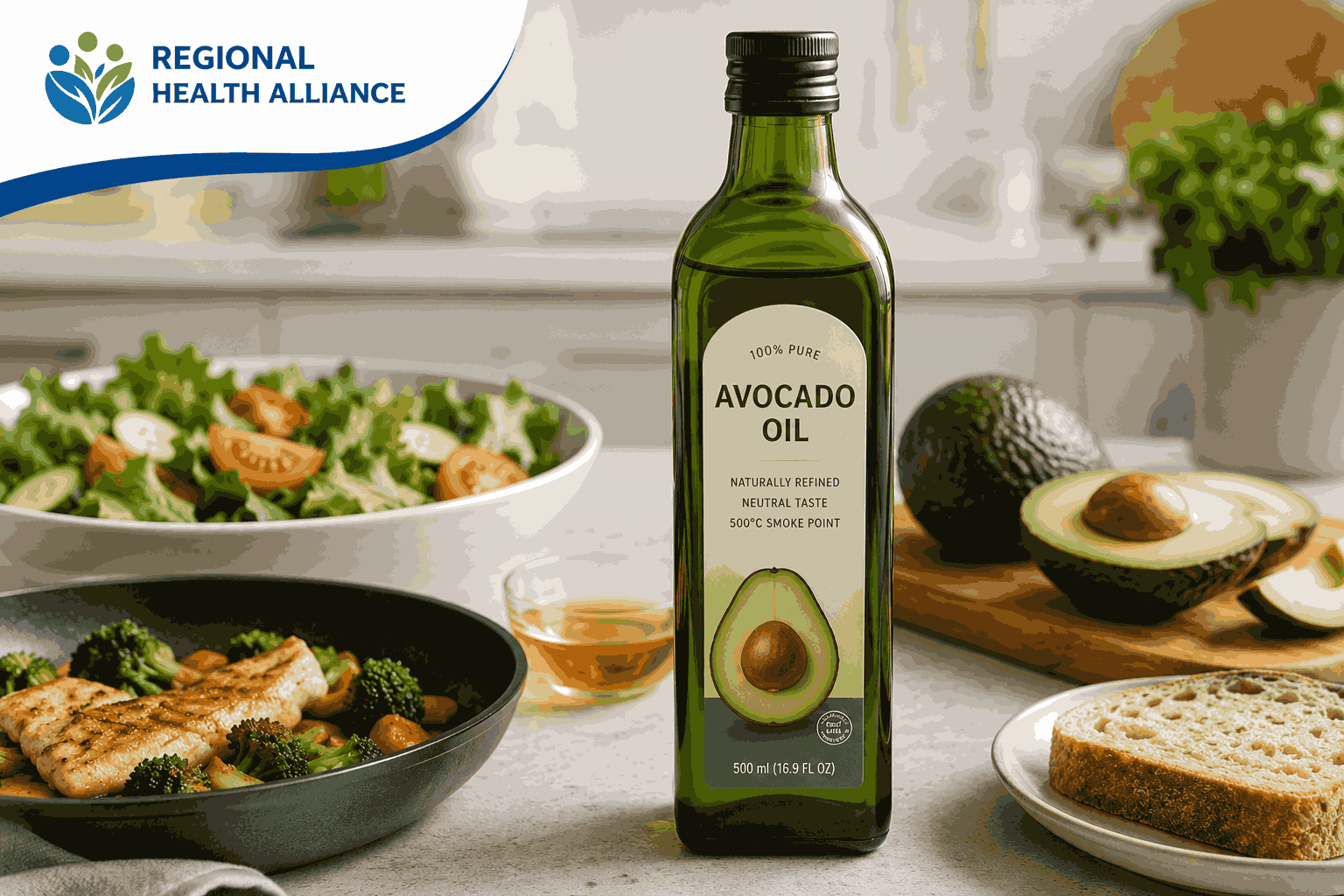
With its high smoke point—around 520°F (271°C)—avocado oil stands out as an ideal choice for high-heat cooking methods like frying and grilling. Its versatility makes it suitable for salads, marinades, baking, or simply drizzling over cooked dishes to add flavor and nutrition.
Why Use Avocado Oil for Cooking?
Avocado oil is rapidly gaining popularity in the culinary world, and for good reason. Rich in monounsaturated fats, it offers a heart-healthy alternative to many conventional cooking oils. These healthy fats can help lower bad cholesterol levels while promoting overall cardiovascular health.
Another significant benefit of avocado oil is its high smoke point, typically around 520°F (271°C). This makes it ideal for various cooking methods that require higher temperatures, such as frying and sautéing. Unlike some oils that break down at high heat, avocado oil retains its nutritional value even when subjected to intense cooking conditions.
Additionally, this versatile oil boasts an impressive nutrient profile. It contains vitamins A, D, E, and K along with antioxidants like lutein and zeaxanthin. These components contribute not only to better eye health but also support skin vitality.
Moreover, the mild flavor of avocado oil complements a wide range of dishes without overpowering them. Its versatility allows chefs home cooks alike to use it across different cuisines seamlessly—from salads to stir-fries—enhancing meals both nutritionally and tastefully.
Best Avocado Oil Uses Cooking
Avocado oil is a versatile ingredient that enhances various dishes in the kitchen. Its high smoke point, around 520°F (271°C), makes it perfect for cooking methods that require heat, such as frying and sautéing. This allows you to achieve crispy textures without compromising the oil’s nutritional value.
When using avocado oil for salad dressings, its rich flavor adds depth to greens and vegetables. Mixing it with vinegar or citrus juice creates a delightful dressing that elevates your salads while providing healthy fats.
Additionally, avocado oil shines in baking recipes. It can replace butter or other oils in cakes and muffins, resulting in moist baked goods packed with nutrients. The light taste blends seamlessly into sweet and savory treats alike.
For roasting vegetables or grilling meats, avocado oil serves as an excellent coating agent that locks in flavors while ensuring even cooking. Its ability to withstand high temperatures means your food retains essential vitamins during preparation.
Using Avocado Oil for Frying
Avocado oil is an excellent choice for frying due to its high smoke point, which ranges from 480°F to 520°F. This makes it one of the most stable oils available for cooking at high temperatures. When frying with avocado oil, you can achieve a crispy texture without compromising flavor or nutrients.
The monounsaturated fats in avocado oil help retain moisture and enhance the taste of your fried dishes. Whether you’re making chicken, vegetables, or even homemade fries, using this oil can elevate your culinary creations while providing health benefits.
Many people appreciate that avocado oil doesn’t overpower the natural flavors of food. Instead, it complements them, allowing spices and seasonings to shine through. It’s versatile enough for various frying techniques—deep-frying or pan-frying alike.
Additionally, avocado oil contains antioxidants like vitamin E and lutein. These compounds not only promote heart health but also contribute to overall wellness when incorporated into your diet regularly. So next time you’re planning a fry night at home, consider reaching for avocado oil instead of traditional options.
Sautéing and Stir-Frying with Avocado Oil
Sautéing and stir-frying are popular cooking methods that benefit greatly from the use of avocado oil. Its high smoke point, around 520°F (271°C), makes it suitable for these techniques without breaking down or producing harmful compounds. This stability ensures a healthy meal every time.
When sautéing vegetables, avocado oil enhances their natural flavors while allowing them to retain their vibrant colors and nutrients. Simply heat a tablespoon of this versatile oil in your pan before adding fresh veggies like bell peppers, zucchini, or broccoli. You’ll notice how quickly they cook through while developing a delightful texture.
For stir-frying, avocado oil can help achieve that perfect balance between crispy and tender textures in meat and vegetables alike. The quick cooking process seals in moisture and flavor without compromising health benefits since there’s no need for excessive amounts of other fats.
Additionally, using avocado oil allows you to add heart-healthy monounsaturated fats to your dish. These fats contribute to better cholesterol levels and overall heart health—making your meals not only delicious but nutritious as well.
Roasting and Grilling with Avocado Oil
Roasting and grilling are popular cooking methods that can be enhanced with avocado oil. Its high smoke point, around 520°F (271°C), makes it an excellent choice for these techniques. Unlike many oils that break down at high temperatures, avocado oil retains its flavor and nutritional benefits even when exposed to heat.
When roasting vegetables, coating them in avocado oil not only adds a rich taste but also helps achieve optimal caramelization. The natural fats in the oil aid in enhancing the texture while ensuring your veggies remain tender on the inside and crispy on the outside.
For grilling meats or seafood, using avocado oil can enhance both flavor and juiciness. Marinating proteins with this versatile oil allows spices and herbs to adhere better while adding moisture during cooking. It prevents sticking to grill grates, making cleanup easier.
Additionally, you can use avocado oil as a baste for grilled dishes or roasted items to keep them moist throughout the cooking process. This technique infuses additional flavors while preserving essential nutrients in your food.
Baking with Avocado Oil
Baking with avocado oil is a fantastic way to add moisture and richness to your favorite treats. Its mild flavor makes it versatile, allowing the natural taste of your ingredients to shine through without overpowering them. Whether you’re making cakes, muffins, or cookies, avocado oil can be seamlessly incorporated into most recipes.
One of the standout benefits of using avocado oil in baking is its high smoke point. This means you can bake at higher temperatures without worrying about harmful compounds forming. It’s perfect for those who love experimenting with healthier alternatives while still achieving delicious results.
Simply replace traditional oils or butter with an equal amount of avocado oil. For instance, if a recipe calls for one cup of melted butter, use one cup of avocado oil instead. You’ll notice that baked goods tend to stay moist longer due to the healthy fats found in this superfood.
Additionally, incorporating avocado oil boosts nutrient absorption from other ingredients like vegetables and whole grains in your recipes. As you explore baking with this vibrant ingredient, you’ll find countless possibilities for delicious creations that are both satisfying and health-conscious.
Avocado Oil for Salad Dressings and Marinades
Avocado oil is a fantastic choice for salad dressings and marinades. Its smooth texture and mild flavor enhance various dishes without overpowering other ingredients. This versatility allows you to experiment with different flavors while maintaining a healthy profile.
The high smoke point of avocado oil means it can withstand gentle heating, making it perfect for warm dressings. Combine it with vinegar or citrus juice, herbs, and spices to create zesty vinaigrettes that brighten up any salad. The creamy consistency pairs beautifully with avocados themselves, creating a cohesive dish.
For marinades, avocado oil acts as an excellent base due to its ability to infuse flavors into meats and vegetables effectively. Combine it with garlic, lemon zest, or your favorite spices for marinating chicken or fish before grilling or baking. The result is tender meat infused with rich taste.
Additionally, the monounsaturated fats in avocado oil contribute heart-healthy benefits while adding richness to your recipes. You can easily drizzle it over roasted veggies or mix it into grain salads for an extra layer of flavor that elevates your meals effortlessly.
Refined vs Unrefined Avocado Oil
Refined and unrefined avocado oil differ primarily in their processing methods and flavor profiles. Unrefined avocado oil is extracted from ripe avocados without the use of high heat or chemicals. This preserves its natural nutrients, flavor, and vibrant green color. It tends to have a rich, buttery taste that enhances dishes.
On the other hand, refined avocado oil undergoes processing that involves high temperatures and filtration. This results in a lighter color and milder flavor compared to its unrefined counterpart. While it retains some health benefits, many of the antioxidants may be compromised during refining.
Unrefined avocado oil is ideal for salad dressings or drizzling over finished dishes where its robust flavor can shine through. However, it’s less suitable for high-heat cooking due to lower smoke points.
Refined avocado oil has a higher smoke point, making it perfect for frying or sautéing at elevated temperatures without burning easily. Choosing between them depends on your cooking needs and personal preference concerning taste and health benefits.
Avocado Oil vs Olive Oil for Cooking
When it comes to cooking oils, avocado oil and olive oil often take the spotlight. Each offers unique flavors and nutritional benefits that can enhance your culinary creations. Understanding their differences helps you choose the right one for your dishes.
Avocado oil has a higher smoke point than olive oil, making it ideal for high-heat cooking methods like frying and grilling. Its smoke point typically ranges from 480°F to 520°F (248°C to 271°C), while extra virgin olive oil sits lower at around 375°F (190°C). This means avocado oil retains its integrity better under intense heat.
Nutritionally, both oils are rich in healthy fats but differ slightly in composition. Avocado oil boasts more monounsaturated fats compared to olive oil, which can support heart health and reduce inflammation. Additionally, avocado oil contains lutein, an antioxidant beneficial for eye health.
Flavor-wise, avocado oil is mild and buttery while olive oil has a distinct peppery taste that adds character to dishes. Choosing between them ultimately depends on personal preference and cooking needs; both are excellent choices for enhancing flavor and nutrition in your meals.
Tips for Cooking with Avocado Oil
When cooking with avocado oil, start by understanding its smoke point. Refined avocado oil has a high smoke point of around 520°F (271°C), making it perfect for high-heat cooking methods like frying and grilling. Unrefined avocado oil, on the other hand, has a lower smoke point and is better suited for dressings or low-heat applications.
Always store your avocado oil in a cool, dark place to maintain its freshness. Exposure to light and heat can cause it to become rancid more quickly. A dark glass bottle is ideal for preserving the quality of the oil.
Experiment with different flavors by using infused avocado oils. These can add unique tastes to your dishes without needing additional ingredients. You might find options like garlic-infused or herb-infused varieties that enhance your meals effortlessly.
Don’t hesitate to substitute other oils with avocado oil in recipes. Its creamy texture and mild flavor work well in various cuisines, ensuring versatility while boosting nutritional benefits every time you cook.
FAQs About Avocado Oil Uses Cooking
When it comes to avocado oil uses in cooking, there are many questions that people often have. Here are some frequently asked questions to help clarify any doubts.
By exploring these common queries about the myriad of ways you can incorporate this nutritious ingredient into your culinary routine, you can make informed decisions on how best to enjoy all the benefits of using avocado oil in your kitchen adventures.
