
Recyclatanteil Explained: Meaning, Uses & Sustainability Benefits
In an era where sustainability is at the forefront of consumer consciousness, the term “Recyclatanteil” has emerged as a key player in the conversation about eco-friendly practices. This German word refers to the proportion of recycled materials used in products and packaging. As we navigate through a world increasingly aware of its environmental impact, understanding Recyclatanteil becomes essential for both consumers and businesses alike.
But what does it truly mean? Why should you care about how much recycled content is present in your everyday items? The answers lie not only in reducing waste but also in shaping a more sustainable future. From plastics to textiles, knowing how Recyclatanteil works can empower you to make informed choices that benefit our planet.
Let’s dive deeper into this crucial topic, exploring its significance, practical applications, and the broader implications for sustainability efforts across industries!
What Is Recyclatanteil?
Recyclatanteil, a German term, translates to “recycled content” in English. It signifies the percentage of materials that have been reprocessed and repurposed into new products. This concept is gaining traction as consumers increasingly demand eco-friendly options.
At its core, Recyclatanteil highlights how much of a product or packaging comes from previously used resources rather than virgin materials. The higher the Recyclatanteil, the more sustainable the item tends to be. This metric provides valuable insight into how companies are addressing waste and resource management.
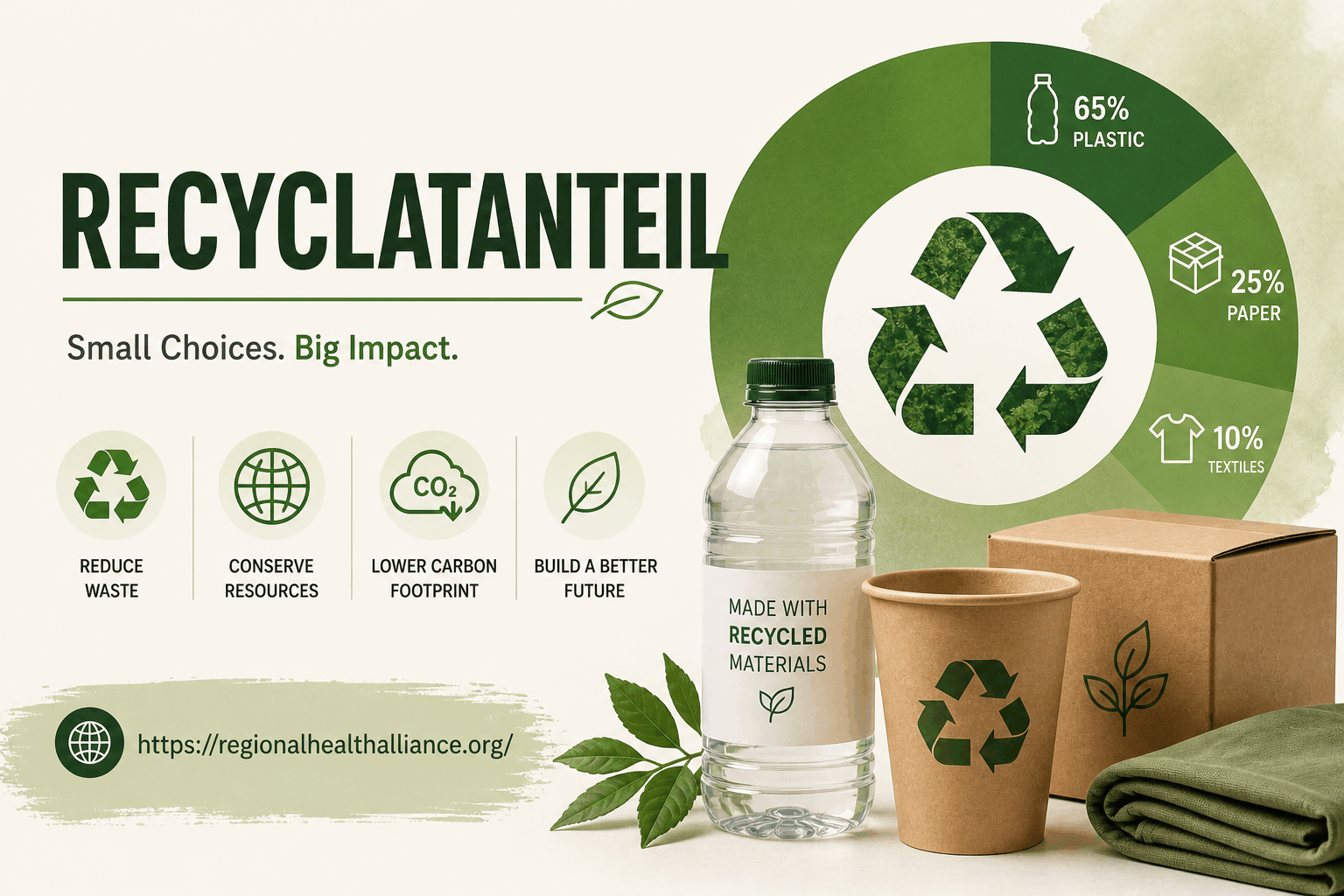
Recyclatanteil encompasses various materials, including plastics, paper, and even textiles. Each industry has different standards for what qualifies as recycled content. Thus, understanding these nuances can help consumers make informed purchasing decisions.
The significance of Recyclatanteil goes beyond mere numbers; it reflects a company’s commitment to environmental stewardship. Brands with higher recycled content often invest in innovative processes that reduce their carbon footprint while promoting circular economy principles.
Knowing about Recyclatanteil equips you with essential knowledge about sustainability practices impacting your everyday choices and contributes positively to our planet’s health.
Why Recyclatanteil Matters Today
Recyclatanteil, or the proportion of recycled materials in products, is gaining significant attention today. As environmental concerns grow, consumers and businesses alike are increasingly focused on sustainability. Understanding recyclatanteil helps us make informed choices.
The demand for eco-friendly products has surged. Customers want to support brands that prioritize sustainability. By integrating a higher recyclatanteil into their offerings, companies can attract environmentally conscious buyers.
Moreover, many governments are implementing stricter regulations regarding waste management and recycling practices. These policies encourage industries to adopt more sustainable methods. A transparent approach to recyclatanteil demonstrates compliance with these evolving standards.
In addition to enhancing brand reputation, increasing recyclatanteil can lead to cost savings over time. Utilizing recycled materials often reduces production costs and energy consumption compared to using virgin resources.
Raising awareness about recyclatanteil empowers consumers to advocate for change within the market. When individuals recognize the importance of recycled content in everyday products, they contribute directly to reducing landfill waste and conserving natural resources.
How Recyclatanteil Works in Products
Recyclatanteil refers to the proportion of recycled materials incorporated into a product. This concept is crucial for understanding how sustainability can be integrated into manufacturing processes. By using post-consumer or post-industrial waste, companies can reduce reliance on virgin resources.
When manufacturers design products with recyclatanteil, they often source materials from recycling facilities. These facilities process discarded items and transform them back into usable raw materials. The efficiency of this system greatly depends on the quality and cleanliness of collected recyclables.
In many cases, higher recyclatanteil means lower energy consumption during production. Recycling typically requires less energy than producing new materials from scratch. This reduction in energy use directly contributes to decreased carbon emissions.
Products containing significant recyclatanteil are becoming more common across various industries, including packaging and textiles. Consumers increasingly seek out these products as part of their commitment to sustainability.
Transparency about recyclatanteil is growing as well; labels often indicate the percentage of recycled content within a product. This allows consumers to make informed choices that align with their environmental values while supporting brands committed to responsible practices.
Common Uses of Recyclatanteil in Packaging
Recyclatanteil plays a crucial role in sustainable packaging solutions. It reflects the percentage of recycled materials incorporated into new products, particularly within the packaging sector. Many brands are shifting their focus to utilize these materials more effectively.
One of the most common uses is seen in plastic bottles and containers. Recycled plastics can be transformed into new beverage bottles or food containers, significantly reducing waste and conserving resources. This practice helps close the loop on plastic use.
Cardboard and paper packaging also benefit from recyclatanteil. Companies often include post-consumer recycled content in their boxes and wrappers, promoting responsible consumption patterns while minimizing deforestation.
Flexible packaging is another area where recyclatanteil shines. Manufacturers create pouches and films using recycled materials, which not only reduces landfill contributions but also maintains product integrity during transit.
Eco-friendly shipping supplies leverage recyclatanteil as well. From biodegradable packing peanuts to recycled bubble wrap, businesses are increasingly adopting these sustainable options to enhance their green credentials while delivering products safely to consumers.
Recyclatanteil in Plastics, Paper, and Textiles
Recyclatanteil, or recycled content, plays a crucial role in various materials such as plastics, paper, and textiles. In the plastic industry, manufacturers increasingly incorporate post-consumer recycled (PCR) plastics. This not only reduces reliance on virgin resources but also helps divert waste from landfills.
In paper production, recyclatanteil has become standard practice. Recycled fibers can replace up to 100% of new fibers in some products. This process conserves trees and energy while minimizing water usage during manufacturing.
Textiles are another area where recyclatanteil is gaining traction. Brands now utilize reclaimed fabrics and plastic bottles to create sustainable clothing options. By integrating these materials into their supply chains, companies contribute to reducing landfill waste.
Moreover, using it often enhances product performance. For instance, incorporating recycled content into packaging can improve durability without sacrificing quality or aesthetics.
As consumers demand more eco-friendly solutions, businesses must adapt by increasing their use of recyclatanteil across all material categories—ensuring that sustainability remains at the forefront of innovation in everyday products.
Benefits of Higher Recyclatanteil
Higher recyclatanteil, or recycled content in products, brings numerous advantages for both the environment and consumers. First and foremost, it reduces waste by diverting materials from landfills. This plays a crucial role in managing our growing waste problem.
Moreover, using higher recyclatanteil lessens the demand for virgin resources. By relying on existing materials, we can conserve natural resources like timber, water, and fossil fuels. This shift is essential as these resources are finite and often environmentally damaging to extract.
In addition to conserving resources, increasing recyclatanteil helps lower greenhouse gas emissions associated with production processes. Manufacturing new products typically generates more carbon footprints than creating them from recycled materials.
Consumers benefit too; eco-friendly products often appeal to a growing market of environmentally conscious shoppers. Purchasing items with higher recyclatanteil supports companies committed to sustainability initiatives.
Higher recyclatanteil fosters innovation within industries as manufacturers seek creative ways to incorporate recycled materials into their offerings. This trend not only enhances product quality but also contributes significantly toward achieving global sustainability goals.
Recyclatanteil and Sustainability Goals
Recyclatanteil plays a critical role in achieving sustainability goals. As nations and organizations set ambitious targets to reduce waste, increasing the proportion of recycled materials in products is essential. By incorporating it, businesses can significantly lower their environmental impact.
The concept aligns well with circular economy principles. This approach promotes reusing resources rather than extracting new ones, leading to reduced pollution and conserving natural resources. A higher recyclatanteil means less reliance on virgin materials, which can be energy-intensive to produce.
Governments worldwide are recognizing the importance of recyclatanteil in policy-making. Incentives for companies that use more recycled content lead to increased demand for recyclable materials, fostering an industry focused on sustainable practices. This shift helps create jobs while addressing climate change.
Consumer awareness is also growing regarding sustainable consumption habits. Many people now prefer brands that prioritize high recyclatanteil levels in their products. This trend drives companies to adapt and innovate towards more eco-friendly solutions.
Incorporating more recycled content not only meets regulatory requirements but also resonates with eco-conscious consumers. Companies focusing on this aspect contribute meaningfully toward global sustainability initiatives.
How Companies Measure It
Measuring Recyclatanteil involves several key methodologies that companies use to assess the recycled content in their products. The baseline measurement typically starts with a materials inventory, where businesses analyze the composition of their products and packaging. This helps identify what percentage is made from recycled materials.
Companies often utilize life cycle assessments (LCAs) to evaluate environmental impacts associated with the product’s life span. LCAs provide insights into how much energy and resources are saved through recycling efforts compared to using virgin materials.
Third-party certifications also play an essential role in measuring Recyclatanteil. Organizations like Cradle to Cradle or Global Recycling Standard offer credible verification processes for companies claiming recycled content, ensuring transparency for consumers.
Data collection methods can include supplier declarations, which allow manufacturers to track material sources accurately. Regular audits help maintain these records and ensure compliance with regulations regarding recyclability claims.
Software tools are increasingly being adopted by companies for better tracking and reporting of recyclate usage throughout the supply chain. These digital solutions streamline data management while providing real-time insights on sustainability initiatives related to Recyclatanteil.
Challenges in Increasing Recyclatanteil
Increasing Recyclatanteil presents several challenges that companies must navigate. One significant hurdle is the availability of high-quality recycled materials. Not all waste can be processed effectively, leaving manufacturers with limited options for sourcing suitable content.
Another challenge lies in consumer perception. Many consumers are still skeptical about the quality and safety of products containing recycled materials. This skepticism can lead to reluctance in purchasing items labeled with a higher recyclatanteil, even if they are environmentally friendly.
Additionally, regulatory frameworks vary widely across countries. Companies operating internationally may find compliance complicated by differing standards and guidelines regarding what qualifies as recyclable material or the proportion required in products.
The technological aspect also plays a role. While advancements have been made, not all recycling processes yield materials that meet industry standards for durability and performance. This inconsistency makes it difficult to scale up recyclatanteil without compromising product integrity.
There’s often a cost implication tied to using recycled versus virgin materials. As demand grows for sustainable practices, balancing financial viability with environmental responsibility remains an ongoing struggle for many businesses aiming to increase their recyclatanteil.
How Consumers Can Identify Recycled Content
Identifying recycled content is essential for environmentally conscious consumers. One of the easiest ways to do this is by looking for labels that indicate the percentage of recycled materials used in a product. Many brands clearly state their recyclatanteil on packaging, giving shoppers important information at a glance.
Certification symbols can also guide buyers. Look out for logos from recognized recycling organizations or certifications like “Made with Recycled Content.” These not only assure you of authenticity but also provide insight into sustainable practices employed by manufacturers.
Another useful tactic is researching brands online before making a purchase. Most companies have dedicated sections on their websites discussing their sustainability efforts and the recyclatanteil in their products. This transparency empowers consumers to make informed choices aligned with their values.
Social media platforms can be valuable resources too, as many brands share behind-the-scenes content related to sourcing and production processes focused on recycling initiatives. Engaging with these posts helps deepen your understanding of how companies prioritize eco-friendliness.
Participating in community groups or forums focused on sustainability can offer firsthand experiences from other consumers regarding which brands genuinely prioritize high levels of recyclatanteil in their offerings.
Future of Recyclatanteil in Eco-Friendly Products
The future of recyclatanteil in eco-friendly products appears promising, driven by consumer demand and regulatory pressures. As sustainability becomes a priority across industries, companies are increasingly focusing on incorporating higher levels of recycled content into their offerings. This shift not only meets the expectations of environmentally conscious consumers but also aligns with global climate goals.
Advancements in recycling technology will play a crucial role in enhancing recyclatanteil. Improved processes can help convert waste materials into high-quality raw materials suitable for various applications. Innovations like chemical recycling and enhanced sorting techniques are making it easier to reclaim plastics and other materials that were previously challenging to recycle.
Moreover, collaborations among manufacturers, governments, and NGOs are vital for developing standards around it. Setting benchmarks can facilitate transparency about the amount of recycled material used in products while building trust with consumers.
As brands commit to sustainability pledges, we can expect an increase in labels highlighting recyclatanteil prominently on packaging. Educated consumers will likely seek out these products more often as they become aware of their impact on the environment.
The integration of recyclatanteil is not just about compliance; it’s becoming a core part of brand identity itself. Companies that prioritize sustainable practices may find themselves at a competitive advantage as eco-consciousness continues to rise within society.
Investing in research and development focused on increasing recyclatanteil is essential for creating innovative solutions that meet both consumer needs and environmental responsibility. With all these factors coming together, the landscape surrounding recyclatanteil looks set for substantial growth over the next decade or so—paving the way for a greener future.
