
Koriandri Growing Guide: Uses & Powerful Health Benefits
Welcome to the vibrant world of koriandri! This aromatic herb, known for its delightful flavor and striking appearance, has captured the hearts (and taste buds) of culinary enthusiasts everywhere. Whether you’re a seasoned chef or just starting your cooking journey, incorporating koriandri into your dishes can elevate them to new heights. But this herb isn’t just about enhancing flavors; it also boasts an impressive array of health benefits that make it a must-have in any kitchen garden. Join us as we explore everything there is to know about koriandri—from how to grow it at home to its powerful uses in cooking and wellness. Get ready to dive into the green goodness that is koriandri!
What Is Koriandri?
Koriandri, commonly known as coriander or cilantro, is a leafy herb that belongs to the Apiaceae family. This versatile plant hails from regions around the Mediterranean and has made its way into kitchens worldwide. Its distinct flavor can add a refreshing twist to many dishes.
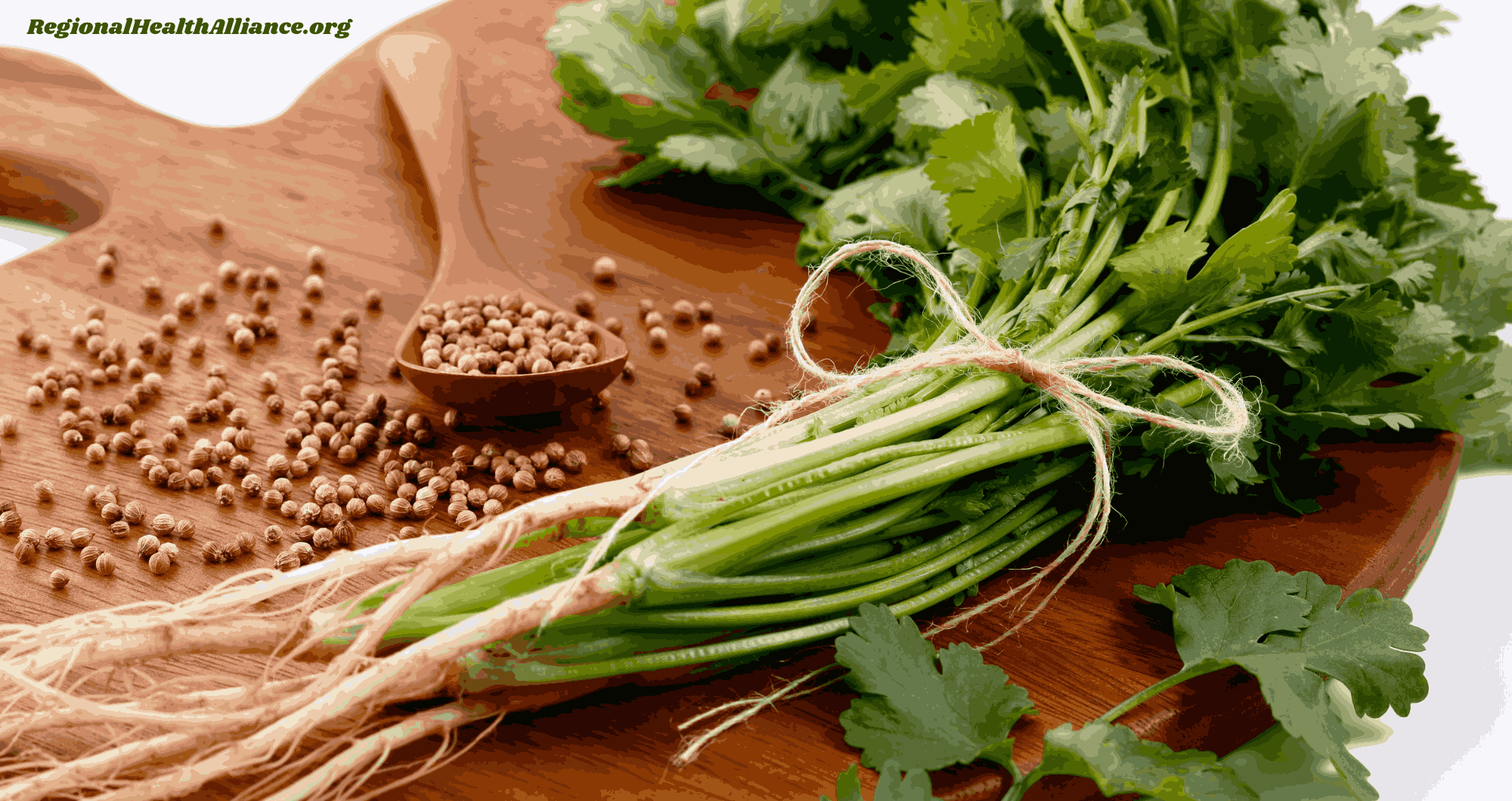
The leaves of koriandri are bright green and delicate, while the seeds—the spice we often refer to as coriander—are round and brown. Both parts offer unique culinary experiences, making it easy for this herb to shine in various cuisines from Mexican salsas to Indian curries.
Beyond its culinary appeal, koriandri is cherished for its vibrant aroma and potential health benefits. Rich in antioxidants and essential oils, it’s no wonder this herb has become a staple in both cooking and holistic wellness practices!
Koriandri vs Coriander vs Cilantro
Koriandri, coriander, and cilantro are often used interchangeably in conversations about cooking, but they refer to different parts of the same plant. Koriandri is commonly known as coriander in many regions, particularly when discussing its seeds. These tiny brown seeds pack a flavorful punch and are used extensively in spice blends.
Cilantro refers specifically to the fresh leaves of the coriander plant. It has a bright, citrusy flavor that can elevate any dish. People’s palates vary widely; while some adore its taste, others find it soapy or unpleasant—a fascinating divide!
Koriandri or coriander encompasses both the seeds and leaves of this versatile herb. Understanding these distinctions can help you make better choices for your recipes and ensure you’re using exactly what you need for that perfect dish!
Why Koriandri Is Popular in Cooking
Koriandri, often referred to as coriander or cilantro, has carved a special niche in kitchens around the world. Its unique flavor profile adds depth and brightness to various dishes. Chefs love it for its versatility; whether you’re whipping up a fresh salsa or garnishing a richly spiced curry, koriandri elevates every meal.
One of the reasons koriandri is so beloved is its ability to enhance both raw and cooked foods. Fresh leaves bring a vibrant green color and zesty aroma that can liven up salads and tacos. Meanwhile, dried seeds offer warmth and earthiness perfect for spice blends.
Moreover, this herb pairs well with an array of other ingredients—think lime juice, garlic, or chili peppers—and complements diverse cuisines from Thai to Mexican. It’s no wonder many consider koriandri an essential ingredient in their culinary toolkit!
Koriandri Taste, Aroma, and Nutrition
Koriandri, often known for its vibrant green leaves, has a distinct flavor that delights many palates. Its taste can be described as fresh and citrusy with hints of earthiness. This unique combination makes it a beloved ingredient in various cuisines worldwide.
The aroma of koriandri is equally captivating. It carries a light, fragrant scent that enhances dishes and makes them more appetizing. The smell alone can transport you to bustling markets filled with spices and flavors from around the globe.
Nutritionally, koriandri packs quite a punch! It’s low in calories yet rich in essential vitamins like vitamin C and K. Additionally, it contains antioxidants which can help support your immune system and overall health while adding delightful flavor to your meals. Enjoying koriandri not only elevates your cooking but contributes positively to your well-being too!
How to Grow Koriandri at Home
Growing koriandri at home is a rewarding endeavor. Start by selecting a sunny spot in your garden or on a windowsill that gets plenty of light. Koriandri thrives best in well-drained soil, so consider using pots with drainage holes if you’re planting indoors.
Plant the seeds about half an inch deep and keep them spaced properly for optimal growth. Water gently but regularly to maintain moist soil without over-saturating it. Consistency is key; make sure to check the moisture daily, especially during dry spells.
As your koriandri plants grow, they will flourish and develop fragrant leaves. Be patient and watch for those vibrant green shoots! With proper care, you’ll soon have fresh koriandri ready to enhance your culinary creations right from your own home garden.
Best Soil, Sunlight, and Watering Tips
Koriandri thrives in well-drained soil rich in organic matter. A mix of potting soil and compost works wonders, providing the nutrients this herb craves. Ensure the pH level is between 6.2 and 6.8 for optimal growth.
When it comes to sunlight, Koriandri loves bright light but can benefit from some afternoon shade, especially in hotter climates. Aim for at least six hours of direct sunlight each day to keep your plants healthy and vibrant.
Watering is essential but should be done carefully. Keep the soil consistently moist without waterlogging it; overwatering can lead to root rot. Check the top inch of soil—if it’s dry, it’s time for a drink!
When and How to Harvest Koriandri
Harvesting koriandri can be a delightful experience. The best time to pick your plants is when they reach about six inches tall, usually around 3-4 weeks after planting. You can harvest leaves at any stage, but the flavor peaks just before flowering.
To gather the fresh leaves, use clean scissors or garden shears. Cut the outer leaves first, allowing inner ones to continue growing. This method encourages stronger growth and keeps your plant healthy for longer.
If you’re looking to collect seeds instead of leaves, wait until the flowers fade and seed heads form. Once they turn brown and dry out, gently twist them off and store in a cool place. Enjoy your harvest as it adds incredible flavor to dishes while being packed with nutrition!
Best Ways to Use Koriandri in Food
Koriandri is a versatile herb that can elevate various dishes with its unique flavor. One of the best ways to use it is in fresh salads. Just chop some leaves and toss them into your favorite salad mix for a refreshing twist that brightens up flavors.
Another delicious option is incorporating koriandri into salsas or dips. The vibrant taste complements tomatoes, avocados, or beans perfectly—making your guacamole irresistible! It adds not just flavor but also a burst of color.
For those who enjoy cooking, try adding chopped koriandri to curries and stews near the end of cooking. This will preserve its aromatic qualities while infusing the dish with freshness. You can even sprinkle it over grilled meats for an extra layer of deliciousness!
Powerful Health Benefits of Koriandri
Koriandri is more than just a culinary delight; it’s packed with health benefits that can enhance your well-being. Rich in antioxidants, this herb helps combat oxidative stress and may lower the risk of chronic diseases. The compounds found in koriandri have been linked to improved heart health by lowering bad cholesterol levels.
Additionally, koriandri supports digestion and can ease gastrointestinal discomfort. Its natural oils contain antimicrobial properties, which can help fight off pathogens in the gut. Including koriandri in your meals may also promote an overall healthier digestive system.
Moreover, this vibrant herb has anti-inflammatory effects that can benefit those suffering from arthritis or other inflammatory conditions. With its rich nutrient profile, incorporating koriandri into your diet is an easy way to give your body some extra love and care.
Possible Side Effects and Precautions
While koriandri is generally safe to consume, some people may experience allergic reactions. Symptoms can include skin rashes, itching, or digestive issues. If you’re trying koriandri for the first time, start with a small amount to see how your body reacts.
Pregnant and breastfeeding women should exercise caution when using large quantities of koriandri due to limited research on its effects during these stages. It’s always wise to consult a healthcare professional if you have specific concerns about including it in your diet.
Additionally, those taking certain medications—especially blood thinners—should be aware that koriandri might interact with them. Always check with your doctor before adding new herbs or spices into your routine if you are on medication or have underlying health conditions.
How to Store Fresh Koriandri
To keep your fresh koriandri vibrant and flavorful, proper storage is key. Start by gently rinsing the leaves to remove any dirt or grit. Pat them dry with a clean kitchen towel or use a salad spinner for efficiency. Moisture can lead to spoilage, so ensure they’re completely dry before storing.
Once dried, you have a couple of options. For short-term storage, place the koriandri in a plastic bag with some air holes or wrap it loosely in damp paper towels inside an airtight container. This method will help maintain its freshness for about one week in the fridge.
If you want to keep it longer, consider freezing your koriandri! Chop the leaves and pack them into ice cube trays filled with water or olive oil. Once frozen solid, transfer the cubes to a freezer bag for easy access later on when you’re ready to cook!
Koriandri Seeds vs Fresh Leaves
Koriandri seeds and fresh leaves both offer unique flavors and uses in cooking, making them versatile ingredients. The seeds have a warm, spicy aroma with citrus notes that enhance dishes like curries, pickles, and spice blends. They’re often toasted to release their full flavor before being ground into powder.
On the other hand, fresh koriandri leaves bring a bright, zesty taste that adds freshness to salads, salsas, and garnishes. Their vibrant green color also elevates the visual appeal of any dish. Fresh leaves are best used raw or added at the end of cooking for maximum flavor impact.
Each form has its own character; some recipes call for one over the other depending on desired tastes. Experimenting with both can lead to delightful culinary discoveries! Whether you prefer earthy seeds or crisp leaves, koriandri is sure to elevate your meals.
Common Mistakes When Growing it
Growing koriandri can be a rewarding experience, but many novice gardeners make a few common mistakes. One of the biggest pitfalls is planting it too late in the season. Koriandri thrives in cooler temperatures, so aim to sow your seeds early or late in spring for the best results.
Another frequent error is overwatering. While koriandri needs moisture to grow, soggy soil can lead to root rot. It’s essential to let the top inch of soil dry out between waterings. This way, you create an ideal environment for healthy roots and vibrant leaves.
Neglecting proper spacing often leads to overcrowded plants that compete for nutrients and sunlight. Giving each plant enough room not only promotes growth but also improves air circulation, reducing the risk of diseases like mildew. Keep these tips in mind for a thriving koriandri garden!
Final Thoughts
Koriandri is more than just a flavor enhancer in your kitchen; it’s a delightful herb packed with health benefits. Incorporating this versatile plant into your meals can elevate not only taste but also nutrition. Whether you prefer fresh leaves or dried seeds, there’s always a way to enjoy koriandri.
Growing koriandri at home can be rewarding and fun. With the right conditions and care, you’ll have an abundant supply of fresh herbs to use as you please. Imagine snipping off some leaves for your next dish—there’s nothing quite like it!
As you explore various recipes and uses for koriandri, don’t hesitate to experiment. This aromatic herb invites creativity in cooking while promoting wellness too. Dive into the world of koriandri, and let its unique flavors inspire your culinary adventures!
FAQs About Koriandri
Koriandri, often a topic of curiosity for many culinary enthusiasts and health-conscious individuals alike. Here are some common questions that might come to mind.
What is the difference between koriandri, coriander, and cilantro?
While they all come from the same plant, Coriandrum sativum, “koriandri” often refers to the whole plant or its seeds in different cuisines. Coriander usually means the seeds used as a spice, while cilantro commonly refers to the fresh green leaves.
How can I use koriandri in my cooking?
You can use fresh koriandri leaves in salads, soups, curries, tacos, chutneys, and garnishes. Its dried seeds can also be ground into spice blends, added to marinades, or used in everyday cooking for a warm, citrusy flavor.
Is koriandri safe for everyone?
Koriandri is safe for most people when used in normal food amounts. However, people who are allergic to plants in the Apiaceae family should be careful. Anyone with specific health concerns should speak with a healthcare professional.
Can I grow koriandri indoors?
Yes, koriandri can grow indoors in pots, especially on a sunny windowsill. It needs enough sunlight, well-draining soil, and regular watering to grow healthy leaves.
How long does it take for koriandri seeds to germinate?
Koriandri seeds usually take around 7 to 14 days to germinate under good growing conditions. Keep the soil lightly moist and place the pot in a warm, bright spot.
These insights should help answer your burning questions about this versatile herb. Embrace korrindari not just as an ingredient but as a delightful addition to your kitchen garden too!
