Is White Rice Good for Weight Loss? Facts & Tips
White rice is a staple in many diets around the world, often praised for its versatility and simple flavor. But when it comes to weight loss, opinions about this beloved grain can be quite divided. Some swear by its energy-boosting properties, while others claim it’s a diet disaster waiting to happen. So, is white rice good for weight loss? If you’ve ever found yourself pondering this question, you’re not alone.
This blog post will dive deep into the nutritional value of white rice and compare it with brown rice—the so-called healthier option. We’ll also explore how much you should eat if you’re trying to shed some pounds and share tips on making white rice work for your weight-loss goals. Whether you’re a fan of fluffy grains or just curious about their role in your diet, prepare to uncover the facts that could change your perspective on white rice once and for all!
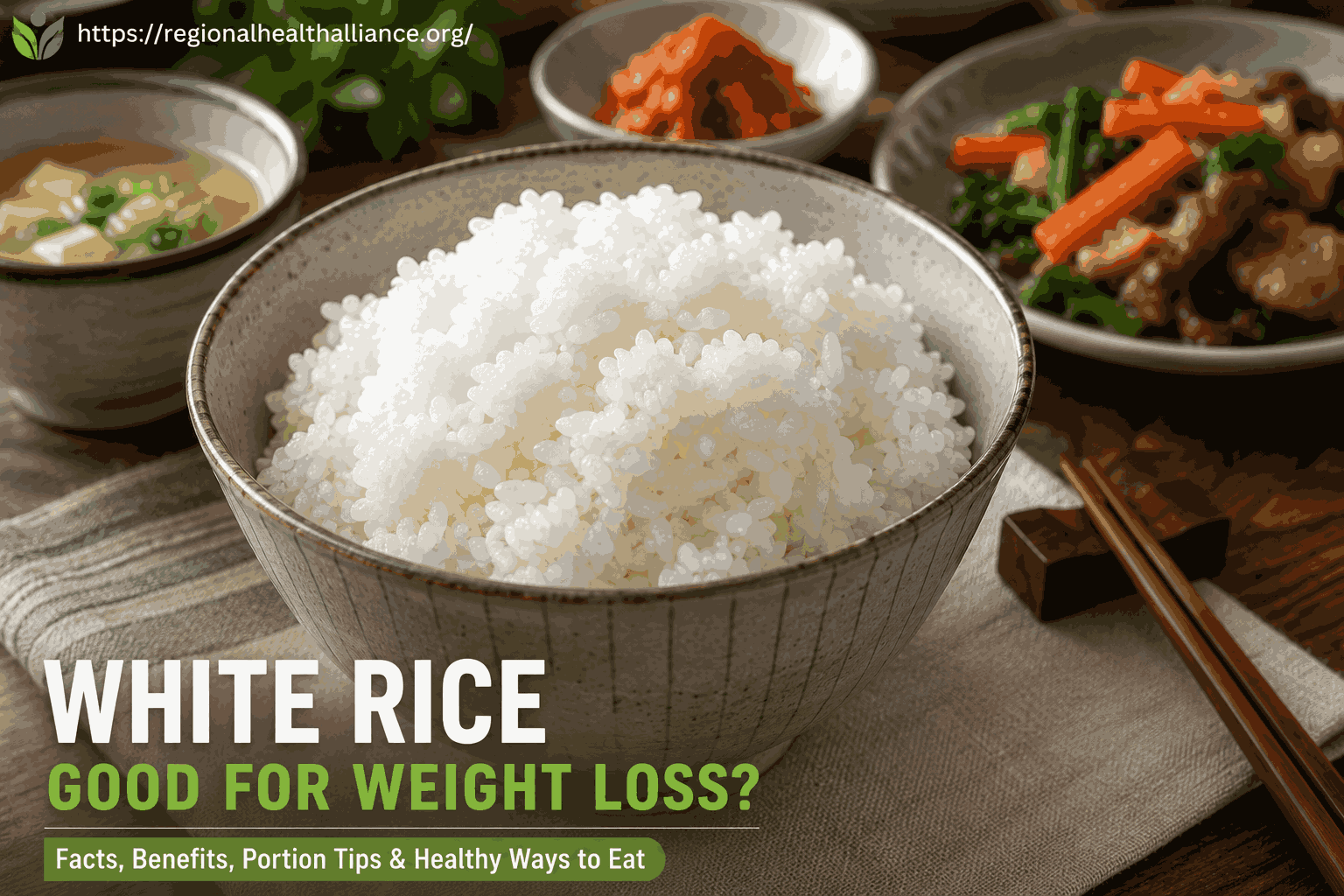
Is White Rice Good for Weight Loss?
The key lies in portion control and overall dietary habits. White rice is low in fat and offers quick energy due to its carbohydrate content. This energy boost can be beneficial for active individuals or athletes who need fuel for workouts.
Additionally, white rice is gluten-free and easy to digest, making it suitable for various diets. It provides essential nutrients like manganese and small amounts of B vitamins that support metabolism.
Whether white rice supports your weight loss goals depends on how you incorporate it into your meals alongside other healthy foods. Balance is crucial when considering any food’s impact on your weight journey.
Nutritional Value of White Rice
White rice is a staple in many diets around the world, and its nutritional profile can be both beneficial and limiting depending on one’s dietary needs. A one-cup serving of cooked white rice typically contains about 200 calories. It’s primarily composed of carbohydrates, making it a quick source of energy.
While white rice has fewer nutrients than whole grains, it does provide some essential vitamins and minerals. It contains small amounts of iron, B vitamins like thiamine and niacin, which are crucial for energy metabolism. However, most fiber is lost during processing.
One notable characteristic of white rice is its low fat content; it has virtually no saturated or trans fats. This makes it gentle on the stomach, particularly for those with digestive issues or recovering from illness.
Despite its lower nutrient density compared to brown rice or other whole grains, white rice remains popular due to its versatility and ability to absorb flavors well in various dishes.
How Many Calories Are in White Rice?
White rice is a staple food in many cultures, but it’s important to understand its caloric content, especially if you’re monitoring your weight. A standard serving of cooked white rice—approximately one cup or 158 grams—contains around 205 calories. This makes it a relatively calorie-dense food.
The calorie count can vary slightly based on the cooking method and any added ingredients such as oil or butter. For instance, fried rice will have significantly more calories due to these additions. Therefore, it’s crucial to consider how you prepare your white rice when evaluating its impact on your diet.
In addition to calories, white rice primarily consists of carbohydrates, which provide energy for daily activities. However, it lacks significant amounts of fiber compared to whole grains like brown rice.
For those watching their caloric intake, portion control becomes essential when consuming white rice. Understanding how many calories are in this popular grain helps inform better dietary choices while still enjoying its taste and versatility.
White Rice vs Brown Rice for Weight Loss
When weighing white rice against brown rice for weight loss, the nutritional differences are significant. Brown rice retains its bran and germ layers, which means it’s richer in fiber, vitamins, and minerals compared to its white counterpart. This higher fiber content can promote better digestion and help you feel fuller longer.
White rice is processed to remove these outer layers, resulting in a softer texture but fewer nutrients. It does provide quick energy due to its high carbohydrate content, making it appealing for athletes or those needing an immediate energy boost. However, that same quality can lead to quicker hunger pangs.
For weight loss enthusiasts, brown rice may be the preferred choice because of its lower glycemic index. Foods with a lower glycemic index tend to cause less dramatic spikes in blood sugar levels and contribute more effectively to sustained energy throughout the day.
Each option has unique qualities that might suit different dietary needs or preferences. Choosing between them depends on individual goals and lifestyle factors related to weight management.
Benefits of White Rice for Weight Loss
White rice can be a beneficial addition to your weight loss journey when consumed mindfully. One of its key advantages is that it is low in fat and cholesterol-free, making it a great option for those looking to cut calories without sacrificing essential nutrients.
Another benefit of white rice is its high carbohydrate content, which provides quick energy. This can be particularly helpful for individuals engaging in regular exercise or intense physical activities, allowing them to maintain their workout performance while on a calorie deficit.
Additionally, white rice has a relatively low glycemic index compared to other refined grains. This means it may cause less insulin spike than some alternatives, helping you feel fuller longer and reducing the likelihood of overeating later.
It’s versatile and easy to prepare. You can incorporate various healthy ingredients into white rice dishes, enhancing both flavor and nutritional value without straying from your weight loss goals.
Possible Downsides of Eating White Rice
While white rice is a staple in many diets, it does come with potential downsides. One notable concern is its high glycemic index. Foods with a high glycemic index can cause rapid spikes in blood sugar levels, which may lead to increased hunger and cravings shortly after eating.
Another issue is that white rice lacks the fiber found in brown rice and whole grains. This absence of fiber means it doesn’t promote satiety as effectively, potentially leading you to consume more calories throughout the day.
Additionally, relying too heavily on white rice can result in nutrient deficiencies over time. It offers fewer vitamins and minerals compared to its whole-grain counterparts, making it less beneficial for overall health when consumed excessively.
Some individuals might experience digestive discomfort or bloating from eating refined carbohydrates like white rice. Understanding these possible downsides helps inform your dietary choices better while pursuing weight loss goals.
How Much White Rice Should You Eat for Weight Loss?
When considering white rice for weight loss, portion control is essential. A typical serving size of cooked white rice is about half a cup, which contains approximately 100-120 calories. This amount can fit well into a calorie-controlled diet without pushing you over your daily limits.
To make the most of your meals, it’s crucial to balance your plate with other food groups. Pairing a modest serving of white rice with lean proteins and plenty of vegetables can create a more satisfying meal while ensuring you’re getting essential nutrients.
Keep in mind that individual dietary needs may vary based on factors like age, gender, activity level, and overall health goals. Some may find they need slightly larger or smaller portions to feel full and energized throughout the day.
It’s also beneficial to listen to your body’s hunger cues. Eating slowly can help you gauge when you’ve had enough while enjoying the flavors of your dish. Adapting portions as needed will support sustainable weight loss efforts.
Best Ways to Eat White Rice on a Weight Loss Diet
Incorporating white rice into a weight loss diet can be done in various delicious ways. One effective method is to control portion sizes. A small serving, around half a cup cooked, can satisfy hunger while keeping calorie intake in check.
Pairing white rice with high-fiber vegetables enhances its nutritional profile and promotes fullness. Try adding steamed broccoli, spinach, or bell peppers for added color and nutrients without significantly increasing calories.
Another great option is to use white rice as a base for lean proteins like grilled chicken or tofu. This combination helps maintain muscle mass while encouraging fat loss since protein supports metabolism and keeps you satiated longer.
Consider using spices and herbs to add flavor without extra calories. Turmeric, garlic powder, or fresh cilantro can elevate the dish’s taste while contributing additional health benefits. Experimenting with different combinations will keep meals exciting and satisfying on your weight loss journey.
Healthy Foods to Pair With White Rice
White rice serves as a blank canvas for a variety of healthy foods that can enhance its nutritional profile. Lean proteins like chicken, turkey, or fish are excellent choices. They provide essential amino acids and help keep you satiated longer. Grilled salmon with white rice makes for a deliciously balanced meal.
Vegetables are another great pairing. Bell peppers, broccoli, and spinach add fiber and vitamins while keeping the calorie count low. Steaming or sautéing these vegetables preserves their nutrients and adds vibrant color to your plate.
Legumes such as black beans or lentils complement white rice well too. These options not only boost protein content but also introduce important minerals like iron and magnesium into your diet.
For an added flavor twist, consider incorporating herbs and spices like cilantro, garlic, or ginger. These ingredients pack in antioxidants without adding extra calories, making your meals both healthier and more flavorful.
Best Time to Eat White Rice for Weight Loss
Timing can play a crucial role in weight management. Eating white rice at the right time may help you maximize its benefits while supporting your weight loss goals. Many nutritionists suggest consuming it earlier in the day, like during breakfast or lunch. This allows your body ample time to metabolize the carbohydrates and use them for energy throughout your daily activities.
Pairing white rice with protein-rich foods during these meals can enhance satiety. A balanced meal will keep you feeling fuller longer, reducing cravings later in the day. Consider options like grilled chicken or fish alongside vegetables when enjoying white rice.
Eating white rice later in the evening might not be ideal if you’re aiming to shed pounds. Consuming high-carb foods close to bedtime could lead to excess calorie storage as fat since your body is less active at night.
Listening to your body’s hunger cues is also essential. If you’re craving carbs post-workout, having some white rice can replenish glycogen stores effectively without hindering weight loss efforts.
Common Mistakes to Avoid When Eating White Rice
One common mistake is portion sizes. Many people underestimate how much rice they’re actually eating. A standard serving of cooked white rice is about half a cup, but it’s easy to pile on more. Keeping track of portions can help manage calorie intake.
Another pitfall is not balancing meals properly. Pairing white rice with high-calorie sauces or fatty proteins can negate its benefits. Instead, aim for lean proteins and plenty of vegetables to create a well-rounded meal that supports weight loss goals.
Many also overlook the importance of cooking methods. Frying rice in oil or butter adds unnecessary calories and fats. Opt for steaming, boiling, or baking methods to keep your dish light and healthy.
Consuming white rice too late in the day may disrupt metabolism if you lead an inactive lifestyle at night. It’s generally better to enjoy it earlier when you’re active and need energy for movement.
Who Should Limit White Rice?
Individuals on a low-carb diet may want to limit their white rice intake. Since white rice is primarily composed of carbohydrates, it can significantly impact blood sugar levels and kickstart hunger cravings. For those trying to lose weight or manage insulin sensitivity, moderation is key.
People with diabetes should also be cautious about consuming white rice. Its high glycemic index means that it can cause rapid spikes in blood glucose levels. Opting for lower-GI alternatives might be a better choice for maintaining stable energy throughout the day.
Those who are sensitive to gluten may not need to avoid rice itself, but they should consider how it’s prepared and paired with other ingredients. Certain seasonings or sauces could contain gluten, which can lead to discomfort.
Individuals aiming for more nutrient-dense foods might find that brown rice or whole grains offer better nutritional profiles than white rice. Exploring these options can lead to more balanced meals overall.
Final Verdict: Can White Rice Help You Lose Weight?
Many people ask, Is White Rice Good for Weight Loss? Yes, white rice can be part of a weight loss journey, but moderation is key. Its high glycemic index means it can cause spikes in blood sugar levels, which may lead to increased hunger and cravings later on. However, when consumed mindfully and paired with nutrient-dense foods, it can fit into a balanced diet.
The choice between white rice and other grains depends largely on individual preferences and dietary needs. Some people find that they feel satisfied after eating white rice, making it easier to stick to their overall calorie goals.
Additionally, the versatility of white rice allows for creative meal combinations that enhance flavor without excessive calories. Incorporating vegetables or lean proteins alongside white rice can boost nutrition while keeping meals satisfying.
If you enjoy white rice and manage portion sizes wisely, it doesn’t have to derail your weight loss efforts. Personalization in diet plays an essential role in achieving sustainable results over time.
FAQs About White Rice and Weight Loss
When it comes to white rice and weight loss, many questions arise. Here are some frequently asked questions to clarify common concerns.
These insights provide clarity for anyone considering including white rice in their weight loss journey while maintaining overall health goals.
