
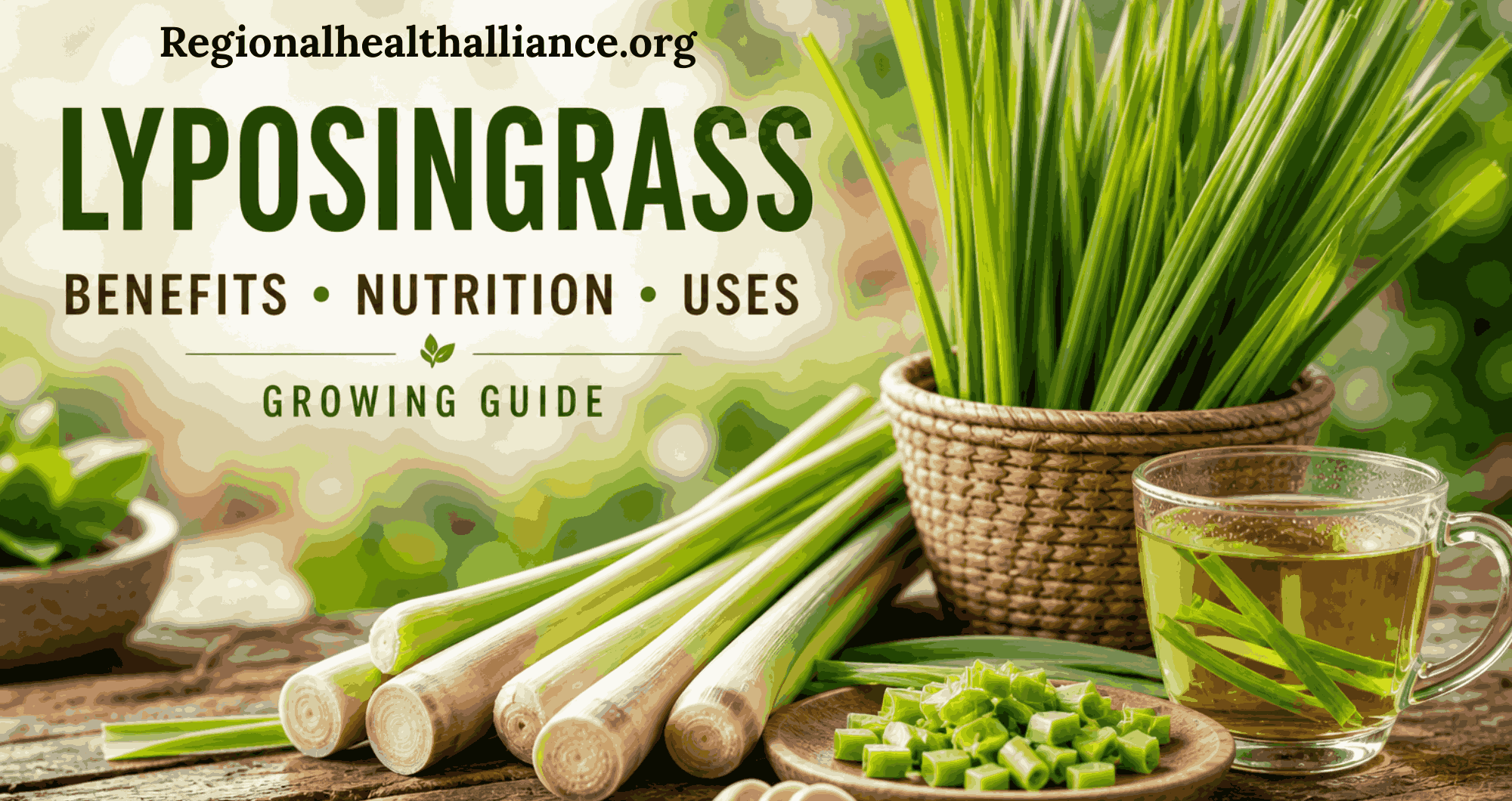
Lyposingrass Benefits: Nutrition, Uses & Growing Guide
If you haven’t yet heard of lyposingrass, you’re in for a treat. This vibrant herb is making waves not just in culinary circles but also in the health and wellness community. With its unique flavor profile and impressive nutritional benefits, lyposingrass is quickly becoming a staple ingredient for many households. But what exactly is it? And how can you incorporate it into your daily life?
In this blog post, we’ll take an exciting journey through the world of lyposingrass. From understanding its origins to exploring its numerous advantages, we’ll cover everything you need to know about this remarkable plant. Whether you’re looking to enhance your meals or boost your overall well-being, you’ll find valuable insights here that will inspire you to make room for lyposingrass in your kitchen garden and on your plate!
What Is Lyposingrass?
Lyposingrass is often described online as a lemongrass-like herb, but the scientific name Cymbopogon citratus actually belongs to lemongrass. Lemongrass is a tropical aromatic grass known for its citrus scent, culinary uses, herbal tea, and essential oil. Therefore, lyposingrass should be explained carefully as an online term, not a verified separate botanical species.
The leaves of lyposingrass are slender and long, showcasing a vibrant green color. They can grow up to three feet tall in optimal conditions, making them an eye-catching addition to any garden or kitchen window. The plant thrives in warm climates but can be cultivated indoors with sufficient sunlight.
One of the standout features of lyposingrass is its essential oils rich in compounds like citral and geraniol. These natural components contribute not only to its refreshing taste but also enhance its therapeutic properties. Many cultures have used this herb traditionally for various medicinal purposes over centuries.
In culinary applications, lyposingrass adds a zesty kick to dishes ranging from soups and stews to teas and marinades. Its versatility makes it an excellent choice for both savory meals and sweet concoctions alike.
Beyond cooking, lyposingrass is emerging as a popular ingredient in health supplements due to its antioxidant-rich profile. As more people discover this delightful herb’s potential benefits, interest continues to grow around cultivating it at home or incorporating it into daily routines.
Key Benefits You Should Know
Lyposingrass, a lesser-known herb, boasts various benefits that make it stand out in the culinary and medicinal world. First and foremost, it’s known for its refreshing aroma. This invigorating scent can uplift your mood while providing a natural way to enhance your dishes.
Another key benefit is its potential anti-inflammatory properties. Regular consumption of lyposingrass may help reduce inflammation in the body, which is crucial for maintaining overall health. This could be especially beneficial for individuals dealing with chronic inflammatory conditions.
The herb also acts as an excellent digestive aid. When consumed as tea or used in cooking, lyposingrass can alleviate gastrointestinal discomfort and promote better digestion by stimulating the production of digestive enzymes.
Rich in antioxidants, lyposingrass helps fight free radicals within the body. These compounds are essential for combating oxidative stress, ultimately contributing to healthier skin and improved immune function over time.
Lyposingrass has antibacterial properties that may help prevent infections. Incorporating this herb into your diet could offer additional protection against harmful bacteria while promoting general wellness through its unique blend of nutrients.
Nutrition Facts and Natural Compounds
Lyposingrass is a powerhouse of nutrition, offering various vitamins and minerals that support overall health. Rich in essential nutrients like vitamin A, C, and several B vitamins, this herb contributes to immune function and skin health. Vitamin C plays a significant role in collagen production while also acting as an antioxidant.
One notable aspect of Lyposingrass is its high content of flavonoids. These natural compounds have been studied for their anti-inflammatory properties. By combating oxidative stress in the body, they help reduce the risk of chronic diseases and enhance general wellness.
Additionally, Lyposingrass contains dietary fiber which aids digestion. Fiber promotes gut health by supporting beneficial bacteria growth while helping regulate bowel movements. This can lead to improved nutrient absorption over time.
The essential oils found in Lyposingrass are another highlight worth mentioning. Compounds such as citral contribute not only to its distinct flavor but also possess antimicrobial properties. This makes it valuable for enhancing food safety while providing therapeutic benefits.
Including Lyposingrass in your diet ensures you’re getting more than just flavor; you’re also tapping into a range of nutrients that work synergistically for better health outcomes. Whether used fresh or dried, adding this herb can boost both taste and nutrition effortlessly.
Common Uses in Daily Life
Lyposingrass has gained popularity for its versatility in daily life. Many enjoy using it as a flavorful herb in cooking, adding depth to various dishes. Its citrusy aroma complements vegetables, soups, and marinades beautifully.
In beverages, lyposingrass is often infused into teas or smoothies. The refreshing taste can elevate simple drinks, giving them an exotic twist. It’s particularly popular in health-conscious recipes due to its natural flavor profile.
Beyond the kitchen, lyposingrass serves therapeutic purposes as well. Essential oils derived from this plant are frequently used in aromatherapy to promote relaxation and reduce stress. A few drops in a diffuser can create a calming atmosphere at home.
Skincare enthusiasts also incorporate lyposingrass into their routines. It is found in many organic products thanks to its antibacterial properties that may help combat skin issues like acne or irritation. This makes it a great addition for those seeking natural beauty solutions.
Lyposingrass benefits extend to household cleaning too. Its refreshing scent combined with antimicrobial qualities makes it effective for homemade cleaners. Using diluted essential oil mixed with water can provide a fragrant yet safe cleaning solution around the house.
How It Compares to Lemongrass
Lyposingrass and lemongrass are often confused due to their similar names and aromatic properties. However, they belong to different plant families which influences their flavor profiles and uses in cooking. Lyposingrass has a milder, sweeter aroma compared to the strong citrus scent of lemongrass.
In terms of taste, lyposingrass tends to have subtle notes that can enhance dishes without overpowering them. Lemongrass, on the other hand, delivers a more pronounced lemony flavor that can dominate a recipe if not used carefully. This difference makes lyposingrass an excellent choice for those who prefer gentler flavors.
Nutritionally speaking, both herbs offer health benefits but vary slightly in composition. While lemongrass is rich in antioxidants and Vitamin C, lyposingrass is noted for its unique phytonutrients that may provide additional wellness advantages. These compounds can contribute positively to overall health when included as part of a balanced diet.
When it comes to culinary applications, lemongrass is frequently found in Asian cuisine—especially Thai dishes—while lyposingrass may be less common but still versatile enough for various recipes ranging from soups to salads. Its ability to complement rather than compete with other ingredients sets it apart.
While growing conditions might overlap somewhat between these two herbs, careful attention should be given during cultivation as they thrive under slightly different circumstances regarding sunlight and soil type.
Safe Ways to Use It
Using lyposingrass safely can enhance your culinary and wellness experiences. One of the best ways to incorporate it is by using fresh leaves. Simply wash them thoroughly before adding them to dishes for a burst of flavor.
For tea, chop the fresh or dried leaves and steep them in hot water for several minutes. This method extracts beneficial compounds while ensuring you enjoy its aromatic qualities without overwhelming your system. You can sweeten it with honey if desired.
When using essential oils derived from lyposingrass, always dilute it with a carrier oil like coconut or olive oil before applying topically. This precaution helps prevent skin irritation and ensures that you reap benefits without adverse reactions.
If you’re new to lyposingrass, introduce it gradually into your diet. Start with small amounts to see how your body reacts before increasing usage in meals or beverages. Listening to your body’s signals is vital for safe consumption.
Consult a healthcare professional if you’re pregnant, nursing, or taking medications that could interact negatively with herbal supplements like lyposingrass. Ensuring safety first will help maximize its potential benefits without any unwanted side effects.
How to Grow It at Home
Growing lyposingrass at home is a rewarding experience, especially for culinary enthusiasts. Start with healthy seeds or seedlings, which can be sourced from local nurseries or online retailers. Ensure you choose a variety suited to your climate for the best results.
Select a sunny spot in your garden or consider using pots if space is limited. Lyposingrass thrives in well-drained soil that retains moisture but doesn’t become waterlogged. A mix of rich compost and sandy loam works wonders for this plant’s growth.
Watering is crucial during the initial stages of growth. Keep the soil consistently moist without overwatering, as too much moisture can lead to root rot. Once established, lyposingrass requires less frequent watering—usually about once a week depending on weather conditions.
Fertilizing every few weeks with an organic fertilizer will help boost its growth and flavor profile. Look for options that are high in nitrogen to promote lush foliage and vibrant taste.
Pest management should also be considered when growing lyposingrass at home. Common pests like aphids may visit your plants; however, natural remedies such as neem oil can effectively deter them without harming the plant’s health.
Possible Side Effects and Precautions
While lyposingrass is generally considered safe for most people, it’s important to be aware of potential side effects. Some individuals may experience mild digestive discomfort when consuming this herb. Symptoms can include bloating, gas, or stomach cramps. If you notice any of these reactions, consider reducing your intake.
Allergic reactions are also a possibility for some users. Signs of an allergy might include skin rashes, itching, or swelling in more severe cases. It’s wise to conduct a patch test if you’re using lyposingrass topically or trying it for the first time.
Pregnant and breastfeeding women should exercise caution as there is insufficient research on the effects of lyposingrass during these stages. Consulting with a healthcare professional before adding new herbs to your diet can help ensure safety.
If you’re taking medications—especially blood thinners or anti-diabetic drugs—check with your doctor before incorporating lyposingrass into your routine. Its natural compounds may interact with certain prescriptions and affect their efficacy.
Always source quality products from reputable suppliers to minimize exposure to contaminants or adulterants that could pose health risks. Keeping these precautions in mind will help you enjoy the benefits of lyposingrass safely.
Final Thoughts
Lyposingrass is a remarkable herb that has gained attention for its unique flavor and health benefits. With its vibrant aroma reminiscent of citrus, it isn’t just pleasing to the senses but also packs an impressive nutritional punch. By incorporating lyposingrass into your diet, you can enjoy numerous advantages such as improved digestion and enhanced immunity.
Its versatility allows for creative culinary uses, from teas to marinades. Compared to lemongrass, lyposingrass offers distinct flavors while sharing many similar health properties, making it a worthy addition to any kitchen.
Growing lyposingrass at home is relatively simple and rewarding. Whether in pots or garden beds, this plant thrives with the right conditions; ample sunlight and well-drained soil are key factors in nurturing your own supply.
While generally safe for consumption, awareness of potential side effects ensures responsible use of this herb. Pregnant individuals or those with specific allergies should exercise caution.
Incorporating lyposingrass into daily routines opens doors to healthier living without sacrificing taste. Its natural compounds contribute not only to wellness but also enhance meals with exotic flair. Embracing this herb means embracing both nutrition and creativity in cooking—truly a win-win scenario worth exploring!
