
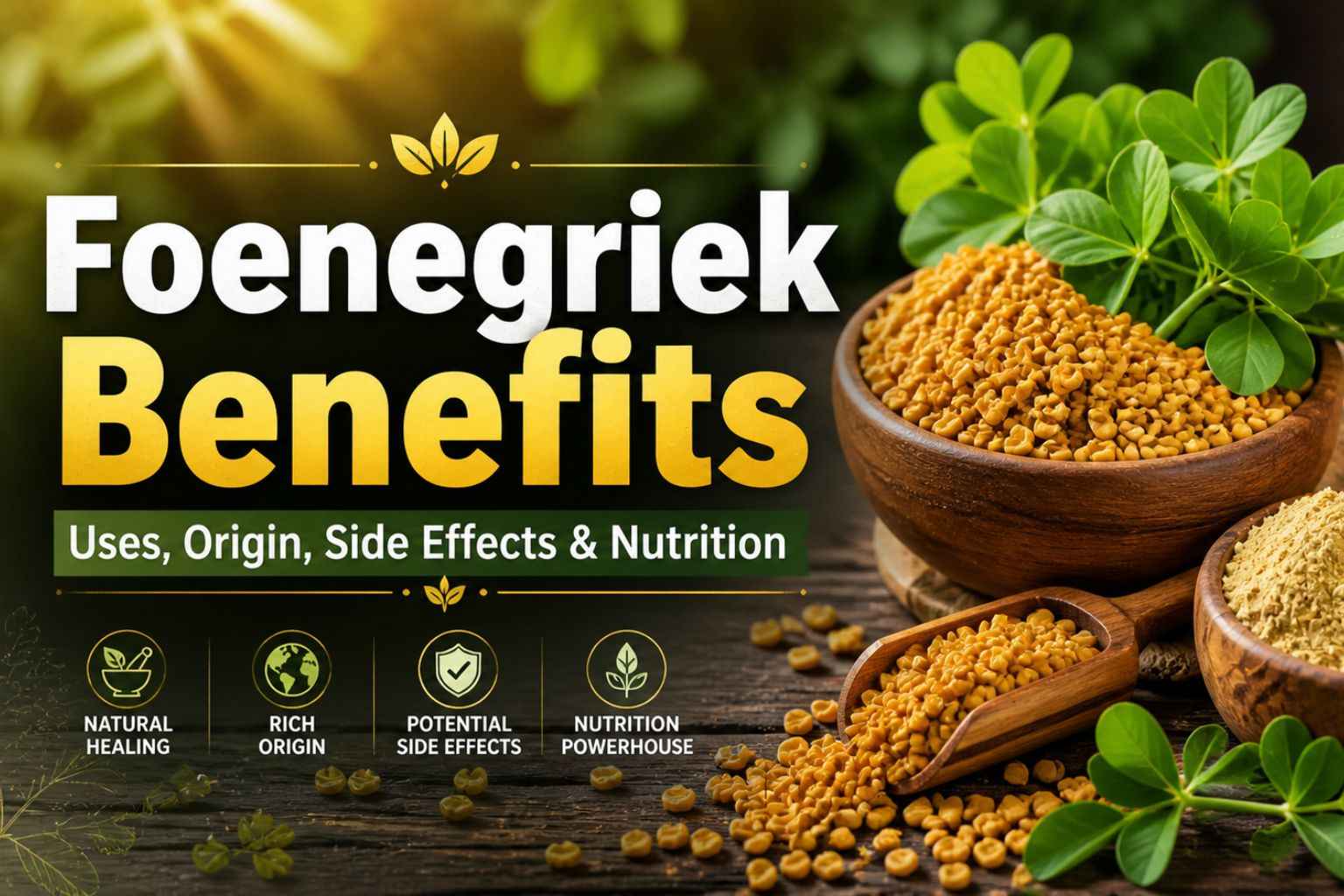
Foenegriek Benefits: Uses, Origin, Side Effects & Nutrition
Foenegriek, often known as fenugreek in English, is a powerhouse herb that has captivated culinary enthusiasts and health aficionados alike for centuries. With its rich history steeped in ancient medicine and diverse applications in cooking, this humble seed packs a nutritional punch that deserves attention. From boosting metabolism to enhancing flavor profiles in dishes, foenegriek offers an array of benefits that can elevate both your pantry and well-being.
But what exactly is foenegriek? How does it differ from its leaves? And what should you know about potential side effects before incorporating it into your diet? Whether you’re curious about its origins or eager to explore new ways to use this versatile ingredient, we’re here to uncover everything you need to know about foenegriek. Join us on a journey through its fascinating world!
What Is Foenegriek?
Foenegriek, commonly referred to as fenugreek, is an herbaceous plant that belongs to the legume family. Its scientific name is Trigonella foenum-graecum. This versatile herb is native to regions in Asia and the Mediterranean but has since spread globally due to its culinary and medicinal uses.
The plant features small white or yellow flowers and produces seed pods filled with flat, golden-brown seeds. These seeds are what most people associate with foenegriek, known for their distinctive aroma and slightly bitter flavor profile. They can be utilized whole or ground into a powder.
In cooking, foenegriek adds depth to various dishes ranging from curries and stews to breads and spice blends. It’s particularly popular in Indian cuisine where it enhances flavors while contributing nutritional benefits.
Aside from its culinary appeal, foenegriek holds significant importance in traditional medicine practices around the world. Many cultures have harnessed its potential for treating various ailments, making it a staple ingredient not just on plates but also in holistic health regimes.
Foenegriek Meaning and Fenugreek Connection
Foenegriek, often known as fenugreek in English, is a plant native to the Mediterranean region and parts of Asia. It has been cultivated for thousands of years for its culinary and medicinal properties. The seeds and leaves are commonly used in various dishes, particularly in Indian cuisine.
The term “foenegriek” originates from Dutch, where it closely mirrors the name fenugreek. Both terms refer to the same plant but may be encountered differently depending on cultural context or language. In many languages across Europe and Asia, variations of this name reflect its extensive use throughout history.
Fenugreek seeds have a distinct flavor that can be described as slightly bitter yet sweet with nutty undertones. This unique taste makes foenegriek an essential ingredient in spice blends such as garam masala or curry powder.
In addition to culinary uses, foenegriek boasts numerous health benefits attributed to its nutritional profile. Understanding both foenegriek’s meaning and connection to fenugreek helps highlight its importance across different cultures and kitchens around the world.
Origin and History of Foenegriek
Foenegriek, commonly known as fenugreek, has a rich history that spans thousands of years. Its origins can be traced back to the Mediterranean region and parts of Asia. Ancient civilizations utilized this herb not only for culinary purposes but also for medicinal applications.
The earliest records of foenegriek date back to ancient Egypt, where it was used in both food and embalming rituals. Historical texts indicate that the seeds were valued for their flavor and health benefits, often appearing in traditional medicine practices.
In India, foenegriek has been an integral part of Ayurvedic medicine for centuries. It is celebrated not just as a spice but also as a remedy for numerous ailments ranging from digestive issues to inflammation. The plant thrives in warm climates and continues to be cultivated widely across the Indian subcontinent today.
As trade routes expanded over time, foenegriek found its way into various cuisines around the world. From Middle Eastern dishes to European recipes, its distinct flavor profile made it a sought-after ingredient throughout history.
Nutrition Facts of Foenegriek
Foenegriek, also known as fenugreek, is a nutrient-dense herb gaining popularity for its health benefits. A typical serving of foenegriek seeds contains significant amounts of protein, dietary fiber, and essential vitamins and minerals. This makes it an excellent addition to any diet.
One standout feature of foenegriek seeds is their high fiber content. Just one tablespoon provides approximately 3 grams of fiber, supporting digestive health and helping maintain stable blood sugar levels. Furthermore, this herb contains essential amino acids that are crucial for various bodily functions.
Foenegriek is rich in vitamins such as B6 and C, which play vital roles in maintaining energy levels and boosting the immune system. Additionally, minerals like iron, magnesium, calcium, and potassium contribute to overall well-being by promoting healthy muscle function and bone strength.
The unique combination of nutrients found in foenegriek not only supports physical health but may also have positive effects on hormonal balance. Regularly incorporating this versatile herb into your meals can be a smart choice for enhancing nutritional intake while enjoying its distinct flavor profile.
Main Health Benefits of Foenegriek
Foenegriek, often known as fenugreek, is packed with health benefits that have made it popular in traditional medicine. One of its most notable advantages is its ability to support digestive health. The soluble fiber found in foenegriek aids digestion and can help alleviate issues like bloating and constipation.
Additionally, foenegriek has been shown to regulate blood sugar levels. This property makes it particularly beneficial for individuals with diabetes or those looking to maintain stable energy levels throughout the day. Some studies suggest that it may improve insulin sensitivity.
Another significant benefit of foenegriek is its potential to enhance breast milk production in nursing mothers. Many lactation specialists recommend this herb as a natural way to boost milk supply due to its galactagogue properties.
Furthermore, foenegriek contains antioxidants that combat oxidative stress in the body. This can contribute to overall heart health and reduce inflammation, making it a valuable addition for anyone seeking better well-being through nutrition.
How Foenegriek Is Used in Cooking
Foenegriek, or fenugreek, is a versatile ingredient widely used in various cuisines around the world. Its seeds and leaves contribute unique flavors to dishes. The seeds have a slightly bitter taste with sweet undertones, making them a popular choice for seasoning curries, stews, and sauces.
In Indian cuisine, foenegriek plays an essential role in many spice blends like garam masala. It’s often added to lentil dishes or vegetable preparations to enhance depth and aroma. The leaves can be used fresh or dried; they bring a distinctive flavor that pairs well with rich ingredients.
Middle Eastern recipes frequently incorporate foenegriek as well. It’s common in dishes such as falafel and hummus where it adds a refreshing note alongside other spices. Additionally, it’s sometimes sprinkled on bread before baking for extra character.
Beyond traditional cooking methods, foenegriek can also be found in teas and health tonics due to its nutritional properties. Whether you’re using whole seeds or ground powder, this herb truly elevates any dish it graces while providing numerous health benefits.
Traditional Uses of Foenegriek
Foenegriek, or fenugreek, has a rich history woven into various traditional practices across cultures. In ancient Egypt, it was used not only as a culinary spice but also for its medicinal properties. Egyptians believed foenegriek could aid in digestion and lower fevers. It often found its way into their herbal remedies.
In Ayurvedic medicine, foenegriek plays a significant role. Practitioners use the seeds to balance bodily doshas and improve overall health. This herb is known for promoting lactation in nursing mothers and is often recommended to help with menstrual discomfort.
Middle Eastern cuisine frequently utilizes foenegriek seeds in dishes such as curries and stews, lending a distinct flavor while providing nutritional benefits. Beyond cooking, folk traditions have employed these seeds in treatments for skin issues like eczema and acne.
Traditional Chinese Medicine also recognizes the potency of foenegriek. Here, it’s valued for warming properties that can relieve cold symptoms and enhance metabolism during winter months. Its versatility highlights why this ancient herb remains relevant today.
Foenegriek Seeds vs Leaves
Foenegriek, or fenugreek, comes from a plant whose seeds and leaves both offer unique culinary and health benefits. The seeds are small, hard, and have a slightly bitter taste. They are often used as a spice in various dishes and can be roasted to enhance their flavor.
On the other hand, foenegriek leaves have a distinct aroma that adds freshness to numerous recipes. These tender green leaves can be utilized fresh or dried, making them versatile for cooking in soups, stews, and salads. Their taste is somewhat similar to that of celery with a hint of bitterness.
Nutritionally speaking, both parts of the foenegriek plant pack powerful compounds but differ in specific nutrients. Seeds are rich in fiber and protein while also containing significant amounts of vitamins such as B6 and folic acid. Meanwhile, the leaves provide an excellent source of iron and vitamin K.
When it comes to medicinal uses, foenegriek seeds are more commonly recognized for aiding digestion and managing cholesterol levels. In contrast, the leaves may help regulate blood sugar levels due to their antioxidant properties.
Possible Side Effects of Foenegriek
Foenegriek is generally safe for most people, but it can cause some side effects. Common reactions include gastrointestinal issues such as bloating, gas, and diarrhea. These symptoms typically occur when consuming large amounts or if you are not used to the herb.
Allergic reactions are also a possibility. Symptoms may range from mild skin rashes to more severe responses like difficulty breathing or swelling of the face and throat. If you experience any signs of an allergic reaction after using foenegriek, it’s essential to seek medical attention immediately.
Pregnant women should exercise caution with foenegriek. Some studies suggest that high doses might stimulate uterine contractions. Therefore, it’s wise for expectant mothers to consult healthcare providers before incorporating this herb into their diet.
People on certain medications should also be cautious. Foenegriek can interact with blood thinners and diabetes medications, potentially altering their effectiveness. Always discuss your plans to use foenegriek with a healthcare professional, especially if you’re managing chronic health conditions or taking regular medication.
Who Should Avoid Foenegriek?
Foenegriek, while beneficial for many, isn’t suitable for everyone. Individuals with allergies to plants in the Fabaceae family should avoid it. These include peanuts and soybeans, as cross-reactivity is possible. Allergic reactions can lead to skin rashes or more severe symptoms.
Pregnant women also need to exercise caution when considering foenegriek. It may stimulate contractions and could potentially lead to complications during pregnancy. Therefore, consulting a healthcare professional before use is essential for expectant mothers.
Additionally, those on blood sugar-lowering medications should be careful. Foenegriek can enhance insulin sensitivity and lower blood sugar levels further than intended, leading to hypoglycemia if not monitored closely. Regular monitoring of blood glucose levels becomes crucial in such cases.
Individuals preparing for surgery should refrain from using foenegriek at least two weeks prior due to its potential effects on bleeding risk during surgical procedures. It’s vital to inform your healthcare provider about all supplements you are taking leading up to any medical intervention.
How to Use Foenegriek Safely
Using foenegriek safely involves understanding the appropriate dosage and method of consumption. For most people, a daily intake of 5 to 30 grams of fenugreek seeds is considered safe. It’s essential to start with smaller amounts and gradually increase your intake to assess how your body responds.
When incorporating foenegriek into your diet, consider using it in powdered form or as whole seeds. You can add the powder to smoothies, soups, or curries for an extra nutritional boost. If you prefer whole seeds, they can be soaked overnight and consumed on an empty stomach for better digestion.
Pregnant women should exercise caution when consuming foenegriek due to its potential effects on hormone levels. Consulting a healthcare professional is advisable before adding this herb to their regimen during pregnancy or breastfeeding periods.
If you’re taking medications for diabetes or blood thinners, it’s crucial to discuss foenegriek use with your doctor. The herb may interact with these medications, affecting their efficacy and leading to unwanted side effects.
Final Thoughts on Foenegriek Benefits
Foenegriek, often recognized for its rich history and nutritional profile, offers a variety of health benefits that can enhance well-being. Its seeds and leaves are versatile ingredients in both culinary practices and traditional medicine. The seeds are known for their unique flavor and potential to support digestion, while the leaves provide essential vitamins.
The nutrition facts reveal that foenegriek is packed with dietary fiber, protein, iron, and several important antioxidants. These nutrients contribute to improved metabolic function and overall health. Additionally, foenegriek has gained popularity among those looking to manage blood sugar levels or promote lactation in nursing mothers.
However, it’s crucial to approach this herb with mindfulness regarding possible side effects. While generally safe for many people, certain individuals should exercise caution or avoid foenegriek entirely due to specific health conditions or medications.
Incorporating foenegriek into your diet can be easy with various recipes available that highlight its distinct flavor profile. Whether you choose the seeds or leaves depends on personal preference and desired use.
With an understanding of its origins, uses, benefits—and precautions—foenegriek stands out as a valuable addition to any health-conscious kitchen or wellness regimen. Embracing this ancient ingredient may offer numerous advantages worth exploring further.
Learn more about healthcare initiatives and community programs at Regional Health Alliance
